The “Arc” of Writing

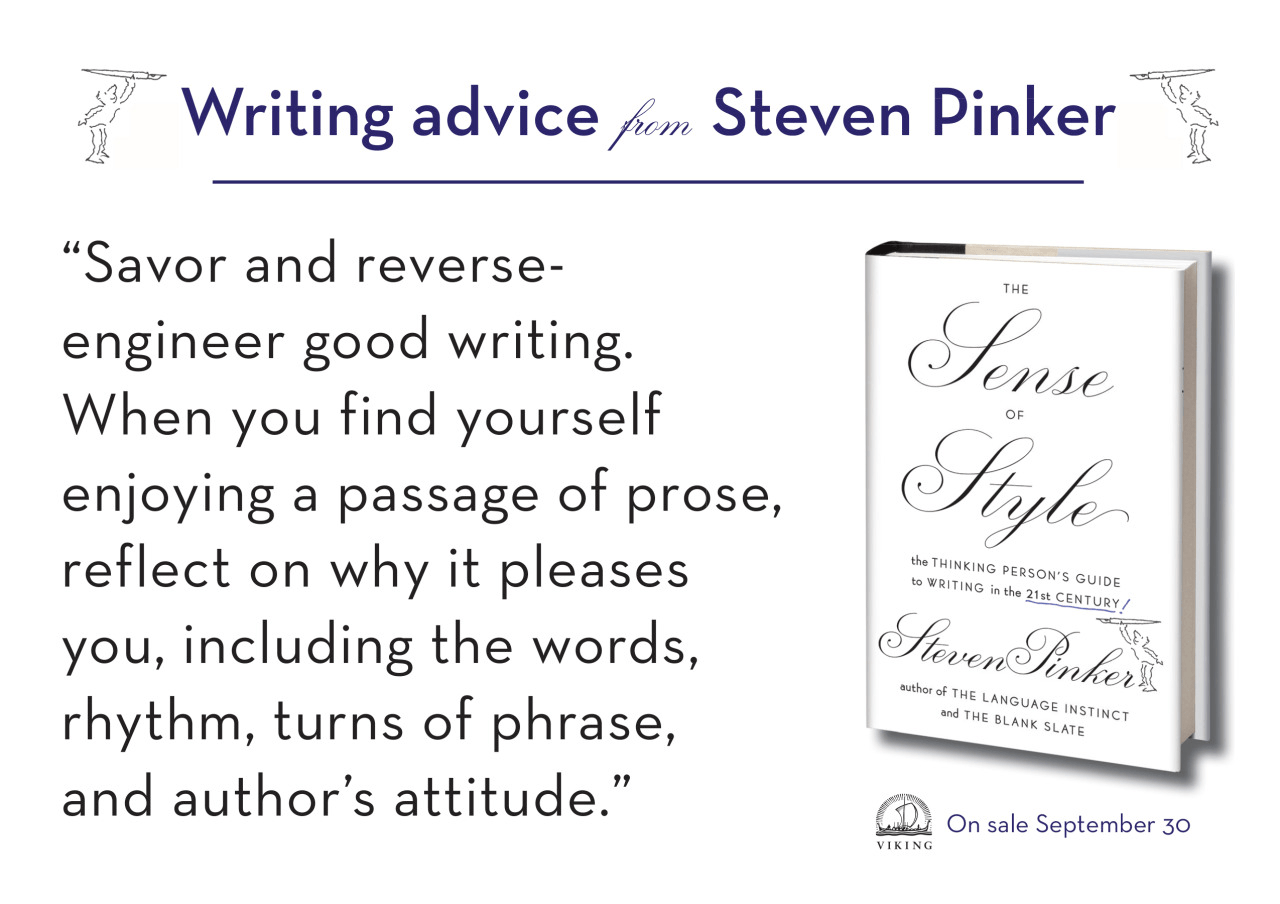
While on the topic of technical writing, I came across an article on Business Insider by Chris Weller that talked about Steven Pinker’s “arc of coherence” while writing.

As Weller points out, our brains hate to work. As soon as something becomes a little complicated or confusing, it’s not enjoyable anymore. That’s the last thing we want our writing to be, so we need to make coherent and smooth sentences, paragraphs, and chapters.

Weller nicely explains how writing works in simplistic terms, “Nouns revolve around verbs to push sentences (and thus ideas or plots) forward. These sentences then get strung into paragraphs. Paragraphs build sections. Sections build chapters. Chapters build a book.” Each of these sentences, paragraphs, and chapters are “arcs.” The idea is to fit each “arc” together as naturally as possible, which Pinker refers to as “coherence relation.” To explain it a little better, Weller says that “coherence relations are the glue that hold arcs together.”

Having successful “coherence relations” is the key to smooth, easy, enjoyable reading. You don’t need to blatantly show the reader what you are doing- just the words around each other, the words that connect sentences, and the flow of chapters needs to make sense. Coherence is all that is needed.

pinker

But many writers fail to do this. Scattered thoughts, missing details, and dropped scenes make it harder for the reader to understand what is going on in the story. If you have to reread sentences, sections, or chapters again and again just to piece together what is happening you probably aren’t going to pick up another book by that author, you may not even finish reading the current book.

Good writing does take practice sometimes. Weller suggests that sorting out your ideas before you start writing helps this coherence to take place naturally, you want your writing to feel like “I am showing you something, rather than us figuring it out together.” Write On.

You Deserve To Write… And A Drink Too

Popular YouTuber (and now new author), Mamrie Hart, recently spoke with Co.Create about five things she learned about writing on her journey to publishing her first book based off her YouTube channel- You Deserve A Drink (also the title of her book. Mamrie, and the article itself, were refreshing and honest. Mamrie appears as a normal, everyday woman who happened to create something that stuck and actually became quite popular, perhaps beyond what she ever envisioned herself. With her new found success she had to figure out how to navigate it’s many challenges, one being how to write a book. I think we can all relate to her advice due to her light-hearted and down-to-earth personality. She paints the writing process in a humorous and realistic light.

Here are her “5 Keys To Writing A Book” summarized:

  1. Figure Out What To Write

Not only do you need to figure out what you want to write about, but you also need to have several other “sub-ideas” for every idea you have to make it a viable and enjoyable topic worth writing about. Mamrie suggests making a list of all your ideas you have to include in your book, then picking ones that are worthy enough to be published and that you can actually write a decent amount about. The order of chapters, and what to put where, is also challenging. You need to find what works for your story/book. Chronological isn’t always the way to go- it wasn’t for Mamrie.  Also, it is important to write down all your ideas, because a not so important idea at first might become an important idea later.

  1. Figuring Out What Not To Write

This is where all my editing posts will come in handy. Mamrie mentions that “half of writing is rewriting.” One of the hardest things to do is to decide what not to include in your book, especially if you are emotionally attached to it. This is where having an editor (or a trusted friend) is extremely helpful. They will be able to tell you more easily and honestly that they really didn’t need a certain paragraph, section, or chapter. Get rid of all the distracting material so you can enhance the necessities.

3.Figuring Out When (and Where) To Write

You need to create a writing schedule that works for you and gets the most out of your writing. You need to find out what the important factors for your writing process are. For Mamrie, she found out that is was more about the location than the time of day. She located an office outside her home that was solely for the purpose of writing and even went on writing “retreats,” where she knew most (if not all) of her time would be devoted to writing. Removing herself from her natural habitat was what made her writing successful, maybe its the same thing for you or maybe timing is a more prevalent factor. Play around with it.

mamrie

  1. Figuring Out How To Write

You learn a lot about your communication skills and speaking habits when you write. You might notice that you overuse a certain word or phrase. These habits are much more noticeable in writing so make sure you pay attention to them. You want your writing to be accessible to everyone. When you find your overused word or phrase (I know you will because we all have one) try out Mark Twain’s method I wrote about in another post.

  1. Figuring Out How To Keep Writing

Every writer hits that inevitable “writer’s block” when you just don’t know if you can continue on anymore. You need to find a way to break that block down and smash it into a million pieces. Mamrie creates weekly “To-Do Lists” to keep her on track on her goals. It gives her something to work towards and once she reaches those goals, she isn’t afraid to reward herself. The rewards gives her some time to clear her mind before she conquers her next list and also inspires her to complete her next set of goals because she wants that reward again. Mamrie also suggests doing small activities when you are really in a rut such as going for a walk/run or watching a funny movie.

Writing is not easy, but that does not mean we should be discouraged. We just need to find ways around the obstacle course of our next book. Write on.

Learning From A Writing-Master

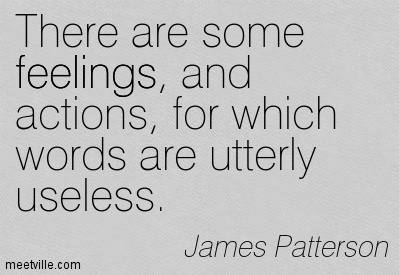
Abigail Jones wrote an article,“You Too Can Write a Best-Seller,”  in Newsweek recently. The article focused on James Patterson, who is “the Guinness World Recorder holder as the author with the most No. 1 New York Times best sellers (114!).”  At first I was hoping the article was going to be mostly advice directly from Patterson and the reader/writer geek inside me became, perhaps overly, excited about it. There was definitely some really good advice given, but the article mostly centered on selling this “Masterclass” where you can get tips and secrets from widely successful people about sports, acting, writing- among other things. Patterson will be teaching one of these classes, which seems pretty awesome. I do not know anything about the classes, therefore I would be hard-pressed to recommend taking it. It goes without saying that any new information you can learn from someone who has already been, 114 times over again, somewhere many of us want to be would be great. I would suggest further looking into the details of the class if you are interested.

patterson

Despite if you want to take the class or not, the article proves helpful for all of our writing. Patterson sums up some of his greatest writing tips and tricks:

1) Writing can be just as agonizing as it is exhilarating. Everybody, even the best authors and writers, dream about doing something ‘easier’ from time to time, so do not feel bad when you have those thoughts.

2) Work with co-authors (something I talked about in another blog post).

3) Make sure your heroes and villains are known better to the reader than their own spouse.

4) “When it comes to plot, [Patterson] says, go for a story, not necessarily a lot of pretty sentences.”

5) “If you get stuck, write ‘TBD’ and move on.”

6) “Always break the rules.” (Such as having both first and third person voices throughout your book, etc.)

Obviously Patterson’s “Masterclass” will be chalk full of these takeaways, so look into the details if you are interested in learning more from a master. Nevertheless, these few tips he gave us in Jone’s article are just as helpful- “Masterclass” or not. Write on.

Writing Is Learning

Life is full of experiences and experiences are full of lessons- some we search for and others just fall into our laps. Writing a book is a priceless, grueling, and rewarding experience that not many of us get the privilege to indulge in. It takes a certain type of person to become an author- self-motivated, disciplined, and critical. Not only is writing a book a great item to add to your list of accomplishments, but the experience itself also comes with a whole host of lessons we learn throughout the process. I came across an article on The Huffington Post’s blog by Maria Ross that perfectly captured some of these greatest lessons. Not only do we become better writers, when writing a book, we become better people as well. Writing affects us in more ways than one, both in our writing world and in the real one.

lessons3

  1. Have Discipline

~Writing Life: Create a schedule for your writing, don’t expect to just be able to “fit it in” when you have the time. Treat writing as a job and make time for it. Most importantly, keep that commitment to yourself. There’s very little that we actually accomplish without holding ourselves accountable.

~Real Life: When you make a commitment, honor it. Do what it takes to get it done. Turn thoughts and intentions into reality by creating goals and following through with them.

  1. Open Up To Family and Friends

~Writing Life: Let your family and friends know that your time will be limited while you are writing. Don’t just let yourself disappear without reason or fall into the pressure of committing to too many plans while writing. You don’t need to give up your life, but you also need to know when you need to skip your lunch date and write. Let your friends and family know about your writing goals so they can support you and hold you accountable as well.

~Real Life: Let the people close to you into your life. Share your goals, dreams, and aspirations. The more support you receive, the more likely you will get to where you want to go. You will probably be much happier too.

  1. Invite Feedback

~Writing Life: Find people to review your ideas and writing for honest (yes, honest) feedback. Just because something sounds amazing or makes sense to you, doesn’t mean that everyone else will feel the same way. Be smart with who you seek feedback from though. Seek help from critics, editors, writers, readers, or friends with the same interests as you (or as your target audience) or with the appropriate knowledge of the genre/audience you are trying to reach.

~Real Life: Always ask for help and seek advice from those who have been there before. Even if you think you know what you are doing, you probably don’t. No one knows everything. You never know which small piece of advice could change your life forever.

  1. Be Your Own Audience

~Writing Life: When you are writing, pretend you are your targeted reader. What would you want to see happen, what questions would you have, what thoughts would cross your mind, what would interest you? Incorporate the answers to these questions into your writing.

~Real Life: Always put yourself in someone else’s shoes. It is much easier for you to be critical of yourself when you are looking at what you do through different lenses.

lessons1

  1. Prepare For Criticism

~Writing Life: News flash- not everyone is going to like/enjoy your writing. Even people you thought would love it, might not. Guess what? That’s perfectly alright and perfectly normal. Not everyone likes the same clothing, same shoes, same decorating style, or same hobbies. Diversity keeps things flowing. At the end of the day, write what you feel and you can’t go wrong.

~Real Life: Not everyone is going to be on your side, not everyone is going to agree with you. People have their own goals/beliefs and we need to respect that. We can’t expect everyone to support everything we do or believe in everything we say. Respect it, embrace it- don’t hate it.

  1. Self-Doubt Will Happen

~Writing Life: There will be many times in the writing process where you will question what you are doing, what you are writing, your credibility, and your future success. Are you wasting your time? Are you writing about the right topic/genre? Do you have the credibility to say what you are writing? These questions are good. They mean you care. Those nervous butterflies prove you are doing the right thing.

~Real Life: Always seek improvement and never get “comfortable.” The moment you stop questioning yourself, pushing and challenging yourself, is the moment your dreams remain dreams and nothing else.

  1. Trust Your Story

~Writing Life: Write with your heart, write what you feel, and believe in it. It doesn’t matter how many other times it has been done. If you feel it, if you believe it, then it’s worth writing about. Everyone has their own take on the same topic or scenario- make yours heard and don’t look back.

~Real Life: Trust your gut and believe in yourself. If you feel like something is right, like you are meant do something, if you can’t stop thinking about something then do something about it. Take others people’s advice and hopes for yourself only so far. Live for you- with no regrets.

lessons2

Like many other things in life, writing is a priceless experience. It allows you to grow, to discover, to reflect. You can learn extraordinary things when you least expect it. Life, and writing, is a beautiful thing. Write on.